Common Causes Of Mold Growth In Homes
To effectively remove mold caused by common issues like leaks and high humidity, local service providers can help identify the sources and handle the cleanup.
If you're concerned about mold growth in your home, understanding the common causes can be a crucial first step toward maintaining a healthy living environment. Moisture is often at the heart of mold issues, stemming from factors like leaks, poor ventilation, or high humidity levels. Homeowners in the area who notice persistent dampness or musty odors may find it beneficial to explore these underlying causes, as addressing them can help prevent mold from taking hold. Local contractors experienced in mold removal are equipped to identify these contributing factors and provide effective solutions tailored to each property’s specific needs.
Exploring the typical reasons for mold growth in homes can empower property owners to take proactive steps in safeguarding their spaces. Issues such as plumbing leaks, inadequate airflow, or water intrusion from storms can create ideal conditions for mold to develop. Recognizing these triggers early and working with skilled service providers can make a significant difference in controlling mold problems before they escalate. While this information is useful for prevention, professional mold removal services are available to handle existing issues efficiently, helping to restore comfort and safety to the home environment.
- Mold remediation - homeowners noticing persistent mold growth due to high humidity or water leaks can rely on local contractors to identify and eliminate mold sources.
- Water damage repair - after flooding or plumbing issues, local service providers can address moisture problems that promote mold development.
- Ventilation system cleaning - poor airflow and inadequate ventilation can lead to mold growth, and local pros can improve air circulation to prevent it.
- Attic and basement mold removal - damp, poorly insulated areas often foster mold, with local experts providing specialized cleaning solutions.
- Leak detection and repair - hidden leaks behind walls or under floors can cause mold; local contractors can locate and fix these issues to stop mold from spreading.
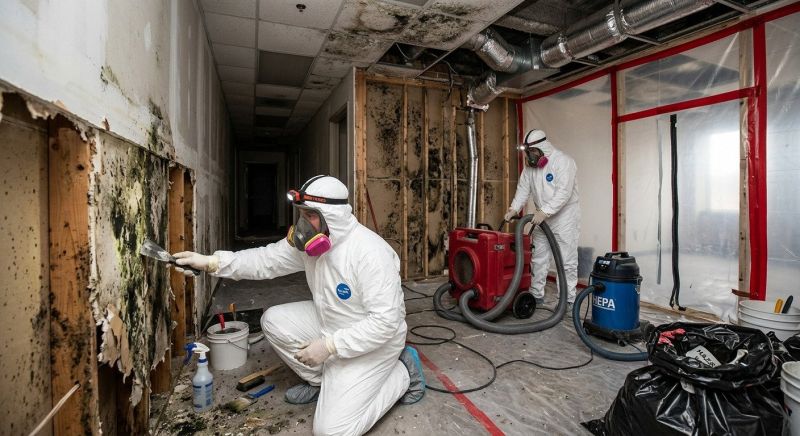
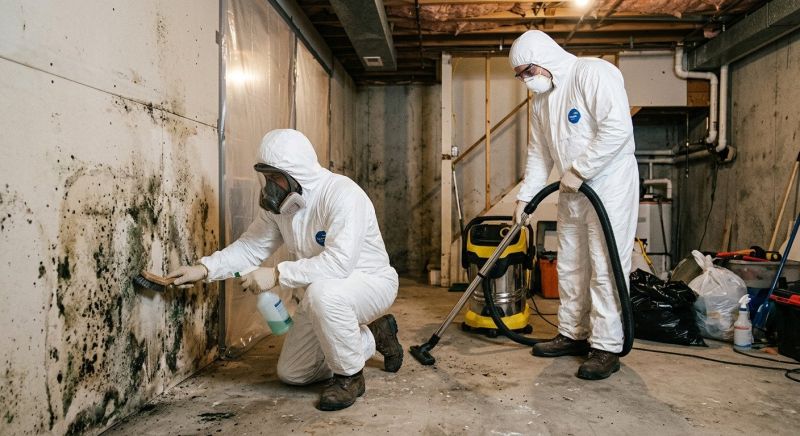
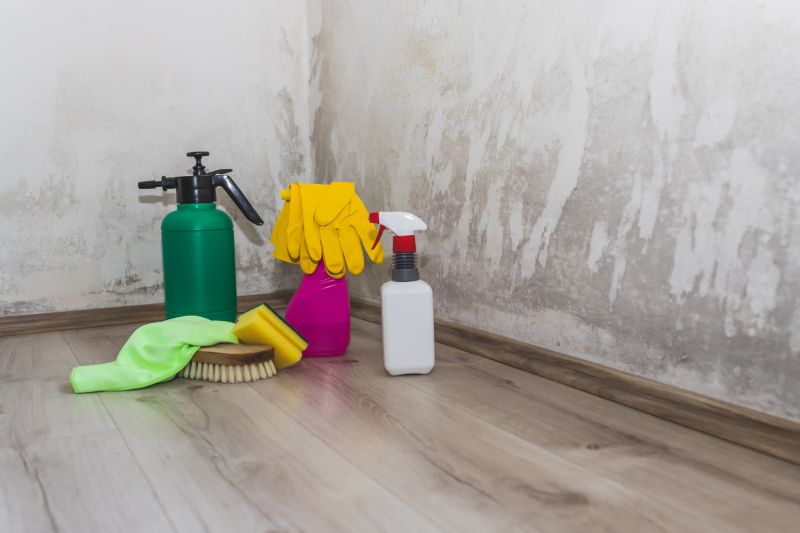
Understanding the common causes of mold growth in homes is essential for homeowners looking to prevent this persistent problem. Mold thrives in environments where moisture is present, so many searches around this topic focus on identifying the root sources of excess humidity or water intrusion. Homeowners often relate this to issues like leaks, condensation, or poor ventilation that can create the ideal conditions for mold spores to settle and grow. Recognizing these causes helps in planning effective mitigation strategies, whether through repairs, improvements in airflow, or moisture control measures. Local contractors who specialize in mold prevention and removal can assess these factors on-site and recommend targeted solutions to address the underlying issues.
This topic is particularly relevant for properties that experience high humidity, such as basements, bathrooms, kitchens, or areas with limited airflow. People searching for common causes of mold growth in homes are usually concerned about hidden moisture problems that are not immediately obvious but can cause long-term damage if left unchecked. For example, persistent condensation on windows or walls, plumbing leaks behind walls, or roof leaks that allow water to seep into structural materials are common issues. These problems often lead to mold development in concealed spaces, making it important to work with service providers who can locate and eliminate the moisture sources effectively, helping to prevent future mold outbreaks.
The types of properties that frequently come up in discussions about mold growth include single-family homes, apartments, and multi-unit buildings. Homes with poor insulation or inadequate ventilation are particularly susceptible, especially in climates with high humidity or frequent rainfall. Attics, crawl spaces, and basements are common areas where mold can develop due to trapped moisture or leaks. Additionally, homes that have experienced flooding or water damage are at increased risk. When mold issues are detected, local mold removal professionals can evaluate the property’s specific conditions, identify the common causes of mold growth, and recommend remediation plans that address both the visible mold and the moisture sources fueling its growth.
For homeowners concerned about preventing mold, understanding these common causes is a vital step. Addressing issues like leaks, poor ventilation, or condensation not only reduces the likelihood of mold growth but also preserves the integrity of the property. Local service providers who specialize in mold prevention and removal are equipped to identify these causes through thorough inspections. They can then implement solutions such as fixing leaks, improving airflow, or installing vapor barriers. Connecting with experienced contractors ensures that the root causes are managed effectively, helping to create a healthier, mold-free environment within the home.
Home Inspection Services - Professionals in home inspection can identify moisture issues and structural problems that contribute to mold growth, helping homeowners address underlying causes.
HVAC Maintenance - HVAC technicians can ensure proper ventilation and humidity control, which are crucial in preventing conditions that foster mold development.
Plumbing Repair - Plumbing specialists can detect and fix leaks or plumbing failures that lead to excess moisture and mold proliferation inside the home.
Water Damage Restoration - Restoration contractors handle water intrusion issues, removing excess moisture that can cause mold to grow on surfaces and within walls.
Roofing Services - Roofers can repair leaks and improve drainage systems to prevent water intrusion that contributes to mold issues in attics and ceilings.
Ventilation System Installation - Specialists in ventilation can install or upgrade systems that reduce indoor humidity levels, limiting mold-friendly environments.
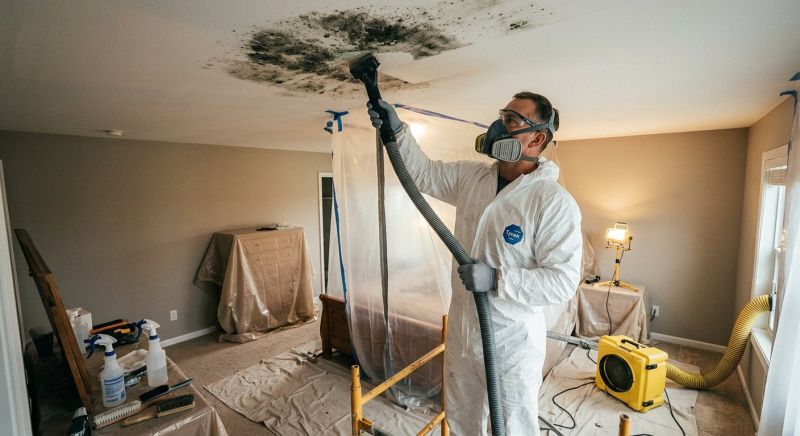
When comparing contractors for mold removal services, it’s important to consider their experience with projects similar to your situation. Homeowners should look for local service providers who have a track record of handling mold issues caused by common factors such as high humidity, leaks, or poor ventilation. An experienced contractor will understand how these conditions contribute to mold growth and be better equipped to identify underlying causes during the assessment process. This familiarity can lead to more effective remediation strategies and help ensure that the mold problem is addressed thoroughly.
Clear written expectations are essential when evaluating potential service providers. Homeowners should seek detailed estimates that outline the scope of work, the methods to be used, and any necessary follow-up steps. Transparent communication about what the project entails helps prevent misunderstandings and ensures that both parties are aligned on the process. Reputable contractors will be willing to provide this information upfront, giving homeowners confidence that the mold removal will be handled professionally and comprehensively.
Reputable references and good communication are key factors in choosing a reliable contractor. Homeowners can ask for references from previous clients who had similar mold issues to learn about their experiences. Additionally, service providers who are responsive and clear in their communication tend to be more dependable, making it easier for homeowners to ask questions and stay informed throughout the project. Prioritizing these qualities can help ensure that the mold removal process proceeds smoothly and that any concerns are addressed promptly, leading to a more satisfactory outcome.
Property owners often search for common causes of mold growth in homes when they are planning practical projects around their homes and businesses. Local pros provide Mold Removal services for everyday jobs and straightforward project options.
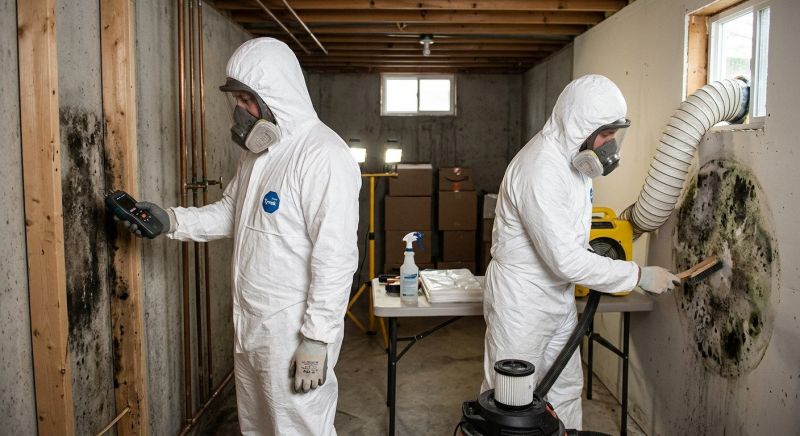
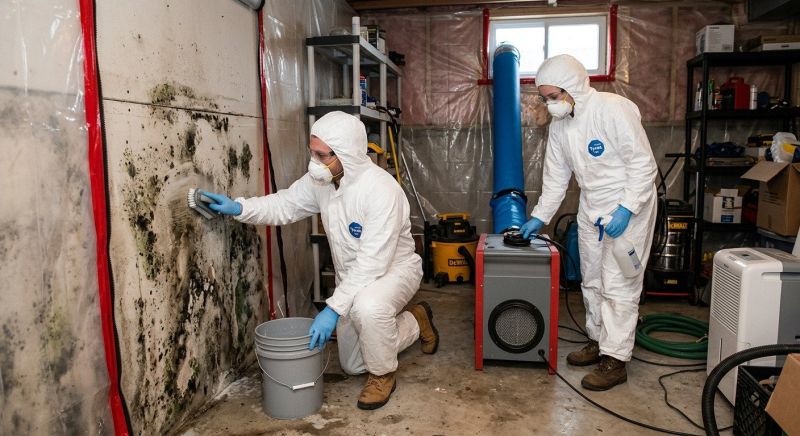
Many homes experience mold growth due to everyday issues like high humidity levels and poor ventilation. Areas such as bathrooms, kitchens, and basements are especially prone when moisture isn't properly managed. Leaking pipes, roof leaks, or water intrusion from storms can create damp conditions that foster mold development. Property owners noticing these common causes of mold growth in homes often consider reaching out to local contractors who specialize in mold removal to address the problem effectively.
In addition to moisture issues, everyday activities like drying clothes indoors or not fixing leaks promptly can contribute to mold problems. Condensation on windows and walls, especially during colder months, can also provide the damp environment mold needs to thrive. When such conditions are identified, property owners may look for local service providers experienced in mold remediation. These professionals can evaluate the affected areas and implement solutions to prevent further mold growth, helping maintain a healthier living environment.
What are common causes of mold growth in homes? Common causes include excess moisture from leaks, high humidity levels, poor ventilation, and water intrusion from flooding or plumbing issues. Local contractors can help identify and address these issues to prevent mold development.
How does moisture contribute to mold growth? Moisture provides the environment mold needs to thrive, often resulting from leaks, condensation, or high humidity. Local service providers can assess moisture sources and recommend solutions to reduce humidity and dry affected areas.
Can poor ventilation lead to mold problems? Yes, inadequate airflow can trap moisture inside the home, creating ideal conditions for mold growth. Local pros can evaluate ventilation systems and suggest improvements to maintain proper air circulation.
What role do leaks and water intrusion play in mold development? Leaks from roofs, pipes, or windows allow water to seep into building materials, promoting mold growth. Mold removal specialists can locate and repair leaks to prevent further mold issues.
Why is high indoor humidity a concern for mold growth? High humidity levels create a damp environment conducive to mold spores settling and growing. Local contractors can recommend dehumidification solutions and moisture control measures to reduce mold risk.
High humidity levels - Maintaining proper indoor humidity can prevent mold spores from settling and growing; local contractors can advise on dehumidification solutions.
Poor ventilation - Improving airflow in kitchens, bathrooms, and basements helps reduce moisture buildup that fosters mold growth; experienced service providers can evaluate ventilation needs.
Leaks and water intrusion - Addressing plumbing leaks and roof leaks promptly with the help of local pros can stop excess moisture that encourages mold development.
Condensation issues - Insulating cold surfaces and managing indoor moisture levels can reduce condensation, with local contractors offering solutions to prevent mold-friendly environments.
If you are thinking about common causes of mold growth in homes for a property, this guide is meant to help you understand this topic, the typical project types, and how different options might fit your plans.
When you are ready, you can use the quote form on this page to share a few details about your project. From there, local pros can review the basics and follow up with options that match what you have in mind.