Mold Detection in Bergen County, NJ
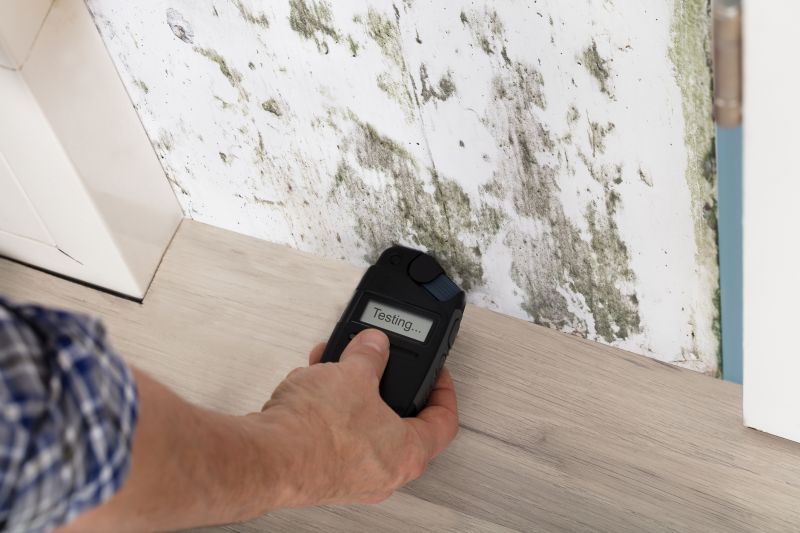
Mold detection services involve assessing indoor environments to identify the presence of mold growth, which can often be hidden behind walls, ceilings, or under flooring. These services are commonly requested during property inspections, after water damage, or when visible mold is suspected. The process typically includes thorough visual inspections and the use of specialized equipment to detect mold spores or moisture that could support mold development. Property owners usually seek this service to understand if mold is present, determine the extent of growth, and gather information necessary for addressing potential health concerns or planning remediation steps.
Before requesting mold detection, property owners often want to know what areas will be examined, how mold presence is confirmed, and what the next steps might be if mold is found. It’s helpful to understand whether the detection process involves sampling or testing, and how the findings can inform further actions such as cleaning or repairs. Clarifying these details can ensure that the inspection provides a clear picture of mold risks and supports informed decision-making for maintaining a safe and healthy home environment.
Many property owners in Bergen County, NJ look into Mold Detection for repairs, replacements, upgrades, and appearance-related improvements.
Identifying Hidden Mold
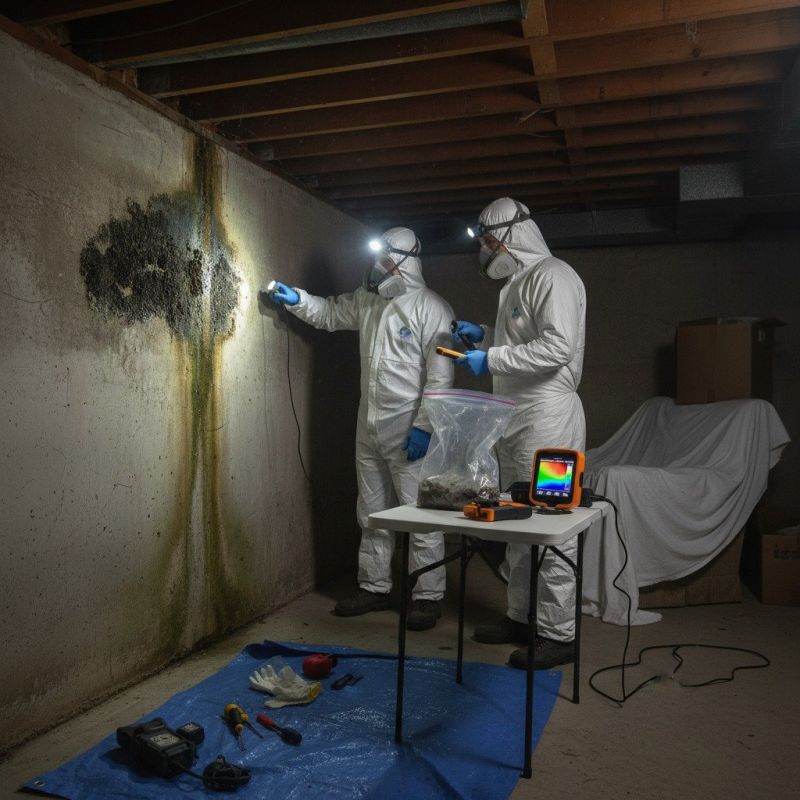
Comprehensive testing helps locate mold that may not be visible to the naked eye in bergen county homes.
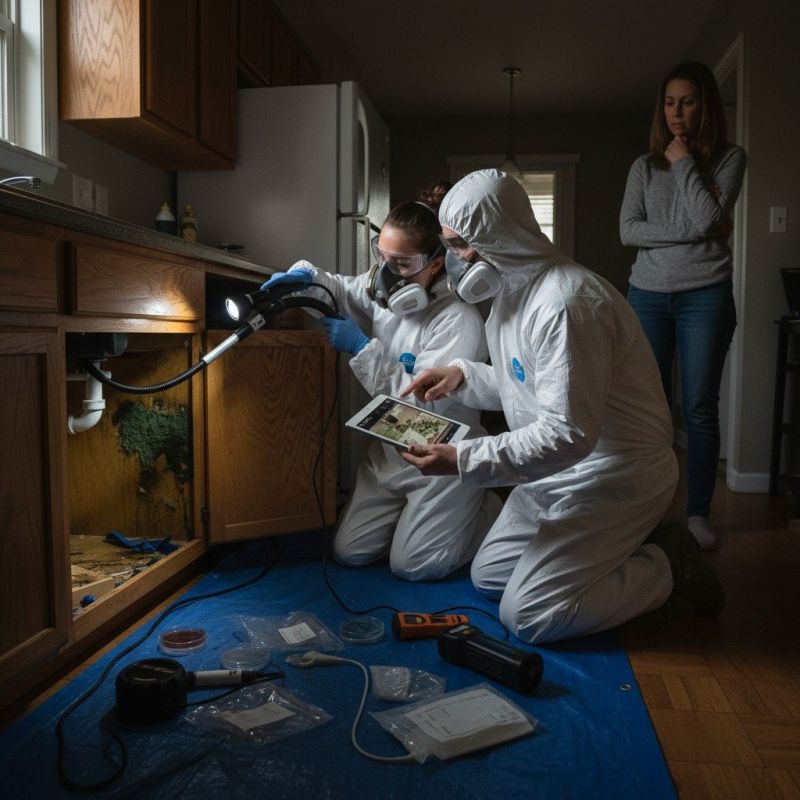
Health Risk Assessment
Detecting mold early can reduce potential health issues for residents and improve indoor air quality.
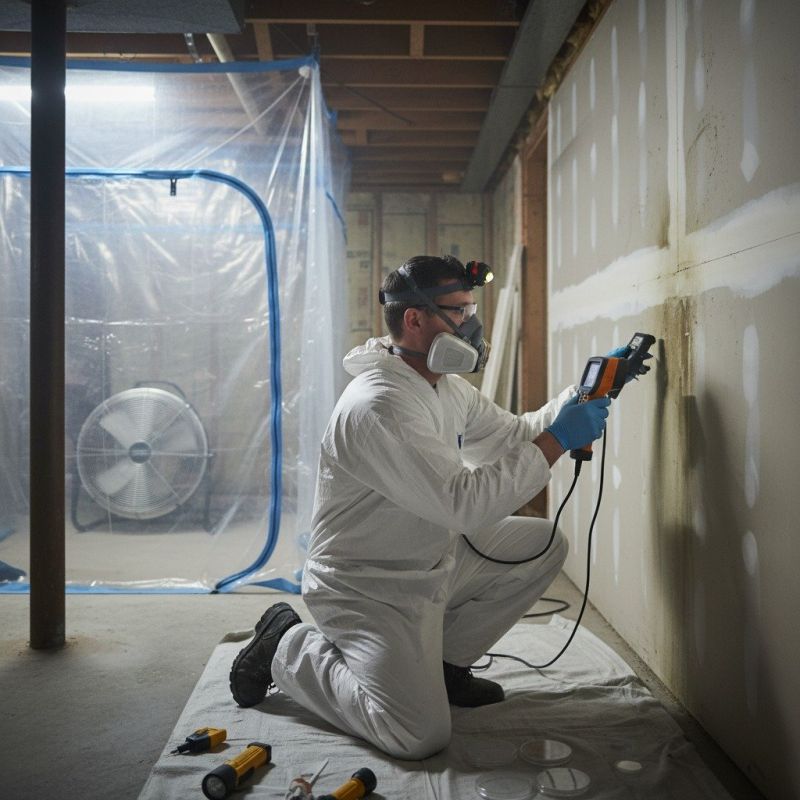
Preventing Structural Damage
Early mold detection can prevent deterioration of building materials and preserve property value.
Mold Detection in Bergen County, NJ
Mold detection services involve assessing indoor environments to identify the presence of mold growth, which can often be hidden behind walls, ceilings, or under flooring. These services are commonly requested during property inspections, after water damage, or when visible mold is suspected. The process typically includes thorough visual inspections and the use of specialized equipment to detect mold spores or moisture that could support mold development. Property owners usually seek this service to understand if mold is present, determine the extent of growth, and gather information necessary for addressing potential health concerns or planning remediation steps.
Before requesting mold detection, property owners often want to know what areas will be examined, how mold presence is confirmed, and what the next steps might be if mold is found. It’s helpful to understand whether the detection process involves sampling or testing, and how the findings can inform further actions such as cleaning or repairs. Clarifying these details can ensure that the inspection provides a clear picture of mold risks and supports informed decision-making for maintaining a safe and healthy home environment.
Many property owners in Bergen County, NJ look into Mold Detection for repairs, replacements, upgrades, and appearance-related improvements.
Common Mold Detection Jobs
Mold Inspection - a thorough assessment to identify mold presence and source.
Moisture Testing - detects humidity levels and water intrusion that promote mold growth.
Indoor Air Quality Checks - evaluates airborne mold spores and allergens inside the property.
Hidden Mold Detection - locates mold in hard-to-see areas like behind walls or under flooring.
Post-Remediation Testing - verifies mold removal effectiveness after cleanup efforts.
Environmental Monitoring - tracks ongoing moisture and mold risks to prevent future issues.

Mold Detection Questions
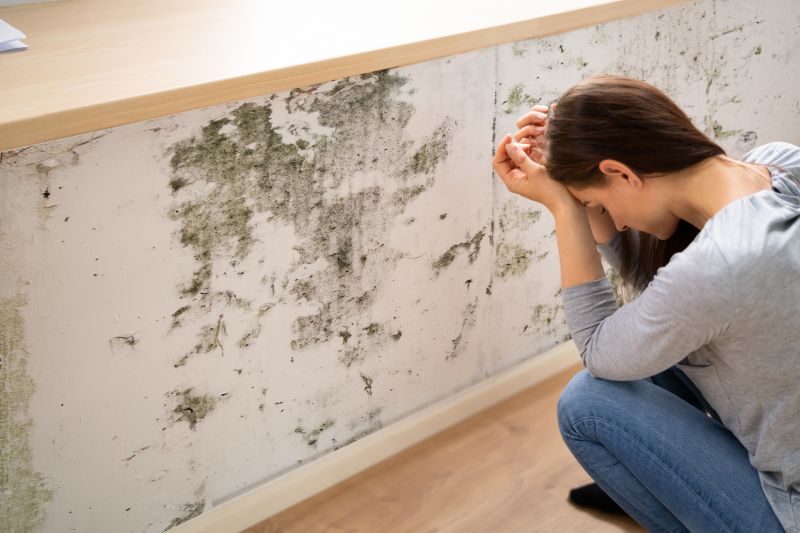
What is mold detection? Mold detection involves identifying the presence of mold in a property, often through visual inspection and specialized testing methods.
When should property owners consider mold detection? Mold detection is recommended if there are signs of water damage, persistent odors, or visible mold growth.
What areas are typically checked during mold detection? Common areas include basements, bathrooms, attics, and around leaks or water intrusion points.
How can mold affect a property? Mold can cause health issues and damage building materials if left unaddressed, making early detection important.
Request Mold Detection in Bergen County, NJ
Use the quote form on this page to share the basics of your project and request more information for the type of work you need.